
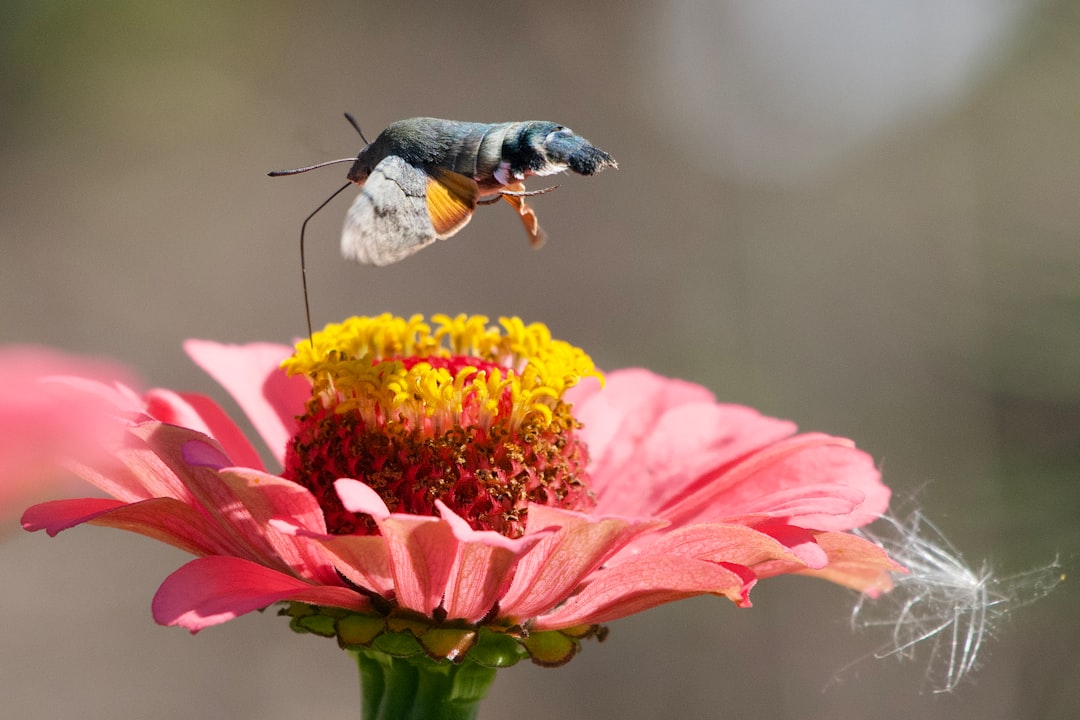
The Best Flower Seeds to Attract Pollinators to Your Yard
As we step into a new era of gardening, the importance of attracting pollinators to our yards cannot be overstated. With the rise of urban gardening and a growing awareness of environmental sustainability, platforms like BloomSphere are leading the charge in providing flower seeds that not only beautify our spaces but also support vital ecosystems. In the upcoming year, we can expect innovative approaches to gardening that prioritize biodiversity and ecological balance, making it essential to choose the right seeds for attracting pollinators.
The Role of Pollinators in Our Ecosystem
Pollinators, including bees, butterflies, and hummingbirds, play a crucial role in the reproduction of many flowering plants. They facilitate the transfer of pollen, which is essential for the production of fruits and seeds. Without these industrious creatures, our food supply would be severely impacted, leading to a decline in both agricultural diversity and food security. By planting specific flower seeds, gardeners can create a welcoming habitat that encourages these pollinators to thrive.
Moreover, the presence of pollinators enhances the overall health of our gardens. They contribute to the growth of vibrant flowers and lush greenery, which in turn supports a variety of other wildlife. As we look forward to the next twelve months, the trend of integrating pollinator-friendly plants into residential landscapes will gain momentum, encouraging more people to take action in their own backyards.
Choosing the Right Flower Seeds
When selecting flower seeds to attract pollinators, it is essential to consider native species that are well-adapted to your local environment. Native plants not only provide the best food sources for local pollinators but also require less maintenance and water compared to non-native varieties. For instance, coneflowers, black-eyed Susans, and milkweed are excellent choices that can draw in a variety of pollinators while adding color and texture to your garden.
Additionally, incorporating a mix of flowering plants that bloom at different times throughout the growing season ensures a continuous food source for pollinators. This strategy not only supports their life cycles but also enhances the aesthetic appeal of your garden. As we move into the future, expect to see more curated seed collections that focus on pollinator attraction, making it easier for gardeners to make informed choices.
Innovative Gardening Techniques
The gardening landscape is evolving, with new techniques emerging that prioritize sustainability and ecological health. One such trend is the use of vertical gardens and container gardening, which allows urban dwellers to cultivate pollinator-friendly plants even in limited spaces. BloomSphere is at the forefront of this movement, offering a variety of seeds that are perfect for small-scale gardening.
Moreover, the integration of technology in gardening is set to revolutionize how we approach planting and caring for our gardens. Smart gardening tools and apps can help gardeners monitor plant health, track pollinator activity, and optimize growing conditions. As these innovations become more accessible, we can expect a surge in interest in pollinator-friendly gardening practices, making it easier for everyone to contribute to the health of our ecosystems.
Creating a Pollinator-Friendly Habitat
To truly attract and support pollinators, it is essential to create a habitat that meets their needs. This includes providing not only food sources but also shelter and water. Incorporating elements such as bee hotels, butterfly gardens, and shallow water dishes can enhance the attractiveness of your yard to these beneficial creatures. By creating a diverse environment, you can foster a thriving pollinator population right in your backyard.
Furthermore, reducing the use of pesticides and opting for organic gardening practices will create a safer environment for pollinators. As awareness of the harmful effects of chemicals on pollinator populations grows, more gardeners are seeking eco-friendly alternatives. In the coming year, we will likely see a shift towards organic gardening supplies and practices that prioritize the health of both plants and pollinators, making our gardens not only beautiful but also sustainable.