
Seasonal Flower Seed Planting Tips for a Colorful Garden
Creating a vibrant garden filled with seasonal flowers is not just a feast for the eyes; it’s also a step towards a more sustainable lifestyle. At BloomSphere, we believe that every seed planted contributes to a healthier planet. By choosing ethically sourced flower seeds, you’re not only enhancing your outdoor space but also supporting eco-friendly practices that benefit the environment.
Understanding Seasonal Planting
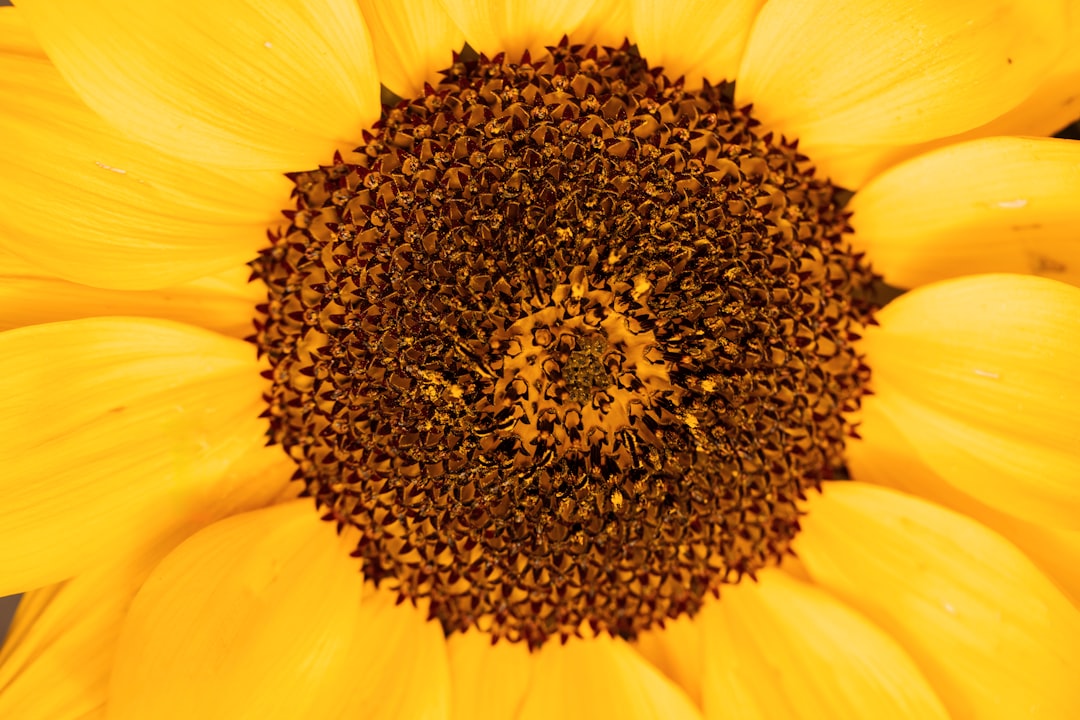
Seasonal planting is crucial for ensuring that your garden flourishes throughout the year. Each flower species has its own ideal planting time, which is often dictated by climate and soil conditions. For instance, spring is the perfect time to plant sunflowers and zinnias, while fall is ideal for planting pansies and snapdragons. By aligning your planting schedule with the seasons, you can maximize growth and bloom potential, creating a stunning display of colors in your garden.
Moreover, understanding your local climate can significantly enhance your gardening success. Researching hardiness zones will help you select the right flowers that thrive in your area. This knowledge not only leads to a more vibrant garden but also reduces the need for excessive watering and fertilizers, making your gardening efforts more sustainable.
Choosing Eco-Friendly Seeds
When selecting flower seeds, it’s essential to consider their source. BloomSphere is committed to offering seeds that are ethically sourced and certified by standards such as Fair Trade. This certification ensures that the seeds are produced under fair labor conditions, promoting social and environmental sustainability. By choosing Fair Trade seeds, you are supporting farmers who prioritize ethical practices and environmental stewardship.
Additionally, opting for native flower seeds can significantly benefit local ecosystems. Native plants are adapted to the local environment and require less water and maintenance compared to non-native species. They also provide essential habitats for local wildlife, including pollinators like bees and butterflies, which are crucial for maintaining biodiversity in your garden.
Soil Preparation and Planting Techniques
Preparing your soil is a fundamental step in the planting process. Healthy soil is rich in nutrients and organic matter, which supports robust plant growth. Before planting, consider conducting a soil test to determine its pH and nutrient levels. Based on the results, you can amend the soil with organic compost or other natural fertilizers to create an optimal growing environment for your flowers.
When it comes to planting, follow the recommended depth and spacing for each seed type. Overcrowding can lead to competition for resources, resulting in weaker plants. Additionally, consider using biodegradable seedling pots to minimize plastic waste. These pots can be planted directly into the ground, reducing transplant shock and promoting healthier root development.
Watering and Maintenance
Proper watering is essential for the health of your flowers. It’s best to water deeply and less frequently, encouraging roots to grow deeper into the soil. Early morning is the ideal time for watering, as it allows plants to absorb moisture before the heat of the day. Avoid overhead watering, which can promote fungal diseases; instead, consider using a drip irrigation system to conserve water and deliver it directly to the roots.
Regular maintenance is also key to a thriving garden. This includes deadheading spent blooms to encourage new growth and prevent disease. Additionally, keep an eye out for pests and diseases, and address them promptly using organic methods. By maintaining your garden with eco-friendly practices, you contribute to a healthier environment while enjoying the beauty of your seasonal flowers.
Harvesting and Enjoying Your Blooms
As your flowers begin to bloom, take the time to enjoy the fruits of your labor. Harvesting flowers not only enhances your home’s aesthetic but also encourages further blooming. When cutting flowers, use sharp scissors and cut at an angle to promote water absorption. This practice ensures that your flowers last longer in arrangements and adds a personal touch to your living space.
Finally, consider sharing your blooms with friends and family or donating them to local hospitals or nursing homes. Spreading joy through flowers not only brightens someone’s day but also fosters a sense of community. By choosing to plant and share seasonal flowers, you’re making a positive impact on both your surroundings and the lives of others.